Get Cash for Your Car with Engine Problems
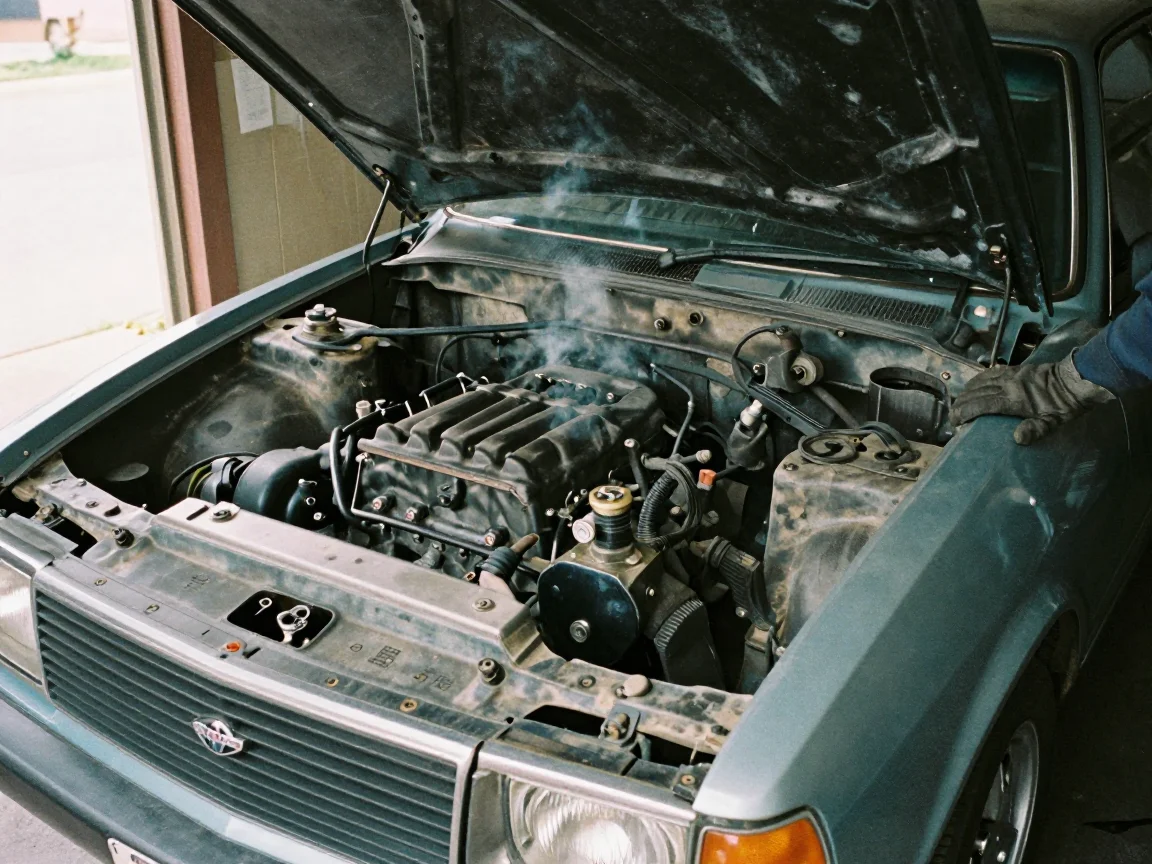
When your engine blows, it can feel like your entire investment has gone up in smoke - sometimes literally. The mechanic's quote for a rebuild or replacement is shocking, and suddenly your reliable transportation has become an expensive paperweight. But here's what most people don't realize: a car with a blown engine is still worth real money.
We specialize in buying vehicles with engine problems. While a blown engine means the car can't drive, the body, interior, transmission, electrical components, and countless other parts retain their value. We see what your car is still worth and pay you accordingly.
What Counts as a Blown Engine?
A "blown engine" is a general term for severe internal engine damage that makes the engine inoperable or unreliable. Here's what qualifies:
- Thrown rod - A connecting rod has broken through the engine block
- Seized engine - Internal components welded together from heat or lack of lubrication
- Spun bearing - Rod or main bearings destroyed, causing metal-on-metal contact
- Cracked block - The engine block itself has fractured
- Blown head gasket - Severe failure allowing coolant and oil mixing
- Timing belt/chain failure - Caused valve damage in interference engines
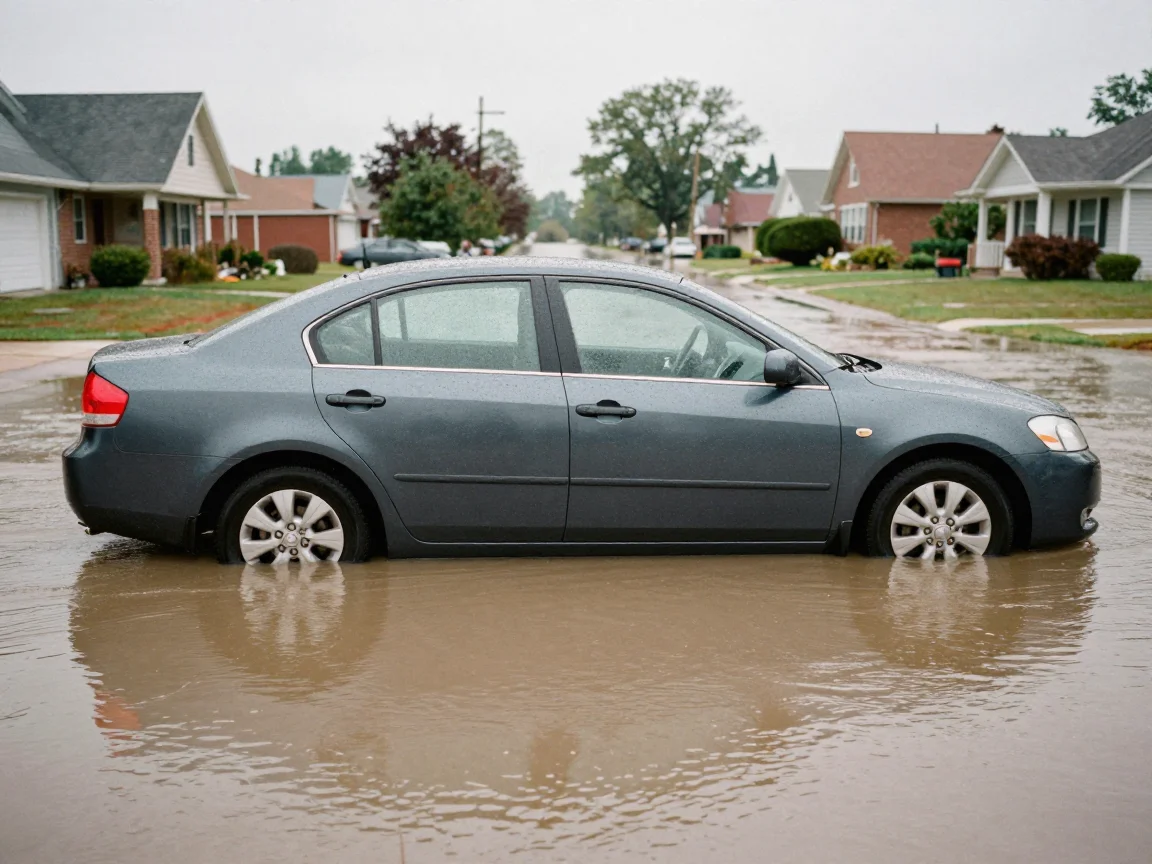
- Hydrolocked engine - Water in cylinders bent internal components
- Overheated and warped - Severe overheating damaged internal tolerances
- Oil starvation damage - Running without oil destroyed bearings and surfaces
- Catastrophic turbo failure - Turbo destruction sent debris into engine
How Much Is My Car with a Blown Engine Worth?
Many people are surprised to learn how much their car is worth even with a destroyed engine. Here's what determines the value:
Year, Make, and Model: Popular vehicles have higher parts value. A Toyota Camry or Honda Civic with a blown engine is worth more than a rare or unpopular model because demand for compatible parts is constant.
Transmission Condition: If your transmission still works, that's a valuable component. Automatic and manual transmissions from popular vehicles can be worth hundreds to thousands of dollars.
Body and Interior Condition: A car with a blown engine but perfect body and interior is worth significantly more than one with damage throughout. Every undamaged panel, seat, and component adds value.
Mileage: Lower mileage vehicles have parts that are worth more because they have more life remaining. A blown engine in a 50,000-mile car leaves more valuable components than the same failure at 200,000 miles.
Market Demand: Current market prices for parts, scrap metal, and rebuilt vehicles affect your offer. We use real-time data to ensure you get the best possible price.
Cars with blown engines typically sell for 20-50% of their running value. For a vehicle worth $10,000 running, you might receive $2,000-$5,000 or more depending on these factors.
Why Sell Your Blown Engine Car to Us?
An engine replacement or rebuild is one of the most expensive repairs in automotive work. Here's why selling makes more sense:
- Avoid massive repair bills: Engine replacement costs $3,000-$10,000+ - often more than the car's post-repair value
- No mechanic diagnostics needed: You don't need to spend money figuring out exactly what's wrong
- Skip the parts car hassle: Parting out a car yourself takes months and requires space, tools, and time
- Free towing included: We haul your non-running car away at no cost
- Same-day payment: Get cash immediately instead of waiting months for repairs or parts sales
- Stop ongoing costs: Insurance, registration, and storage fees add up on a car you can't drive
Common Causes of Engine Failure
Understanding what happened can help you answer questions about your vehicle, but you don't need to know the exact cause to sell to us:
Overheating: The most common cause. When coolant fails or leaks, engine temperatures skyrocket, warping heads, blowing gaskets, and seizing pistons.
Oil Problems: Running low on oil, using wrong oil, or going too long between changes leads to bearing failure and internal scoring.
Timing Component Failure: When timing belts or chains break in interference engines, pistons strike valves, causing catastrophic damage.
Water Intake: Driving through deep water can hydrolock an engine - water doesn't compress like air, bending rods when pistons try to compress it.